Color Theory for Outfits: Color Harmony
The secret to a stylish, striking look lies not only in the style of your clothes but also in how well the colors work together. Color theory can help you get more out of your wardrobe and develop your style. Here are the basic principles of color harmony when choosing outfits.
The Color Wheel
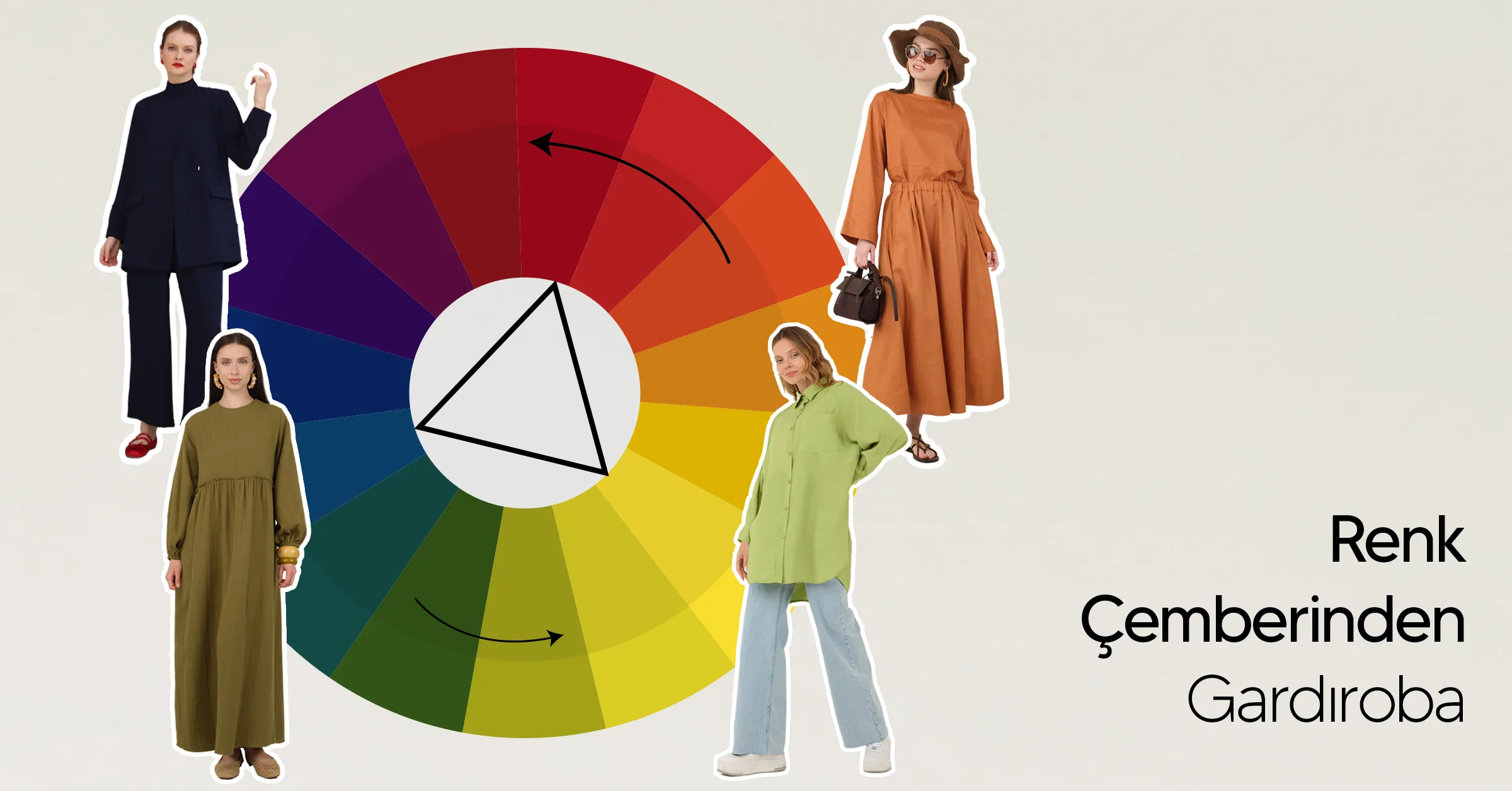
The foundation of color theory is the color wheel. It shows the primary colors (red, blue, yellow) and the secondary colors made by mixing them. Understanding the color wheel is the key to creating harmonious combinations.
The Secrets of Color Harmony: A Guide to Flawless Outfits
The key to a stylish, striking look is bringing colors together in harmony. Here is how to get color harmony right when choosing your outfits.


Color Matching Techniques
- Complementary colors: Use colors that sit opposite each other on the color wheel, such as blue and orange. To avoid too much contrast, choose lighter shades of each.
- Split complementary: Choose one main color and pair it with the two colors on either side of its opposite. This creates a softer contrast.
- Analogous colors: Use colors that sit next to each other on the color wheel for a calm, harmonious look.
- Monochrome: Use different shades of a single color for a sophisticated, elegant look.
- Triadic harmony: Choose three colors evenly spaced around the color wheel for a vibrant yet balanced combination.
Practical Tips for Choosing Colors
- Analyze your wardrobe: Identify the colors of the clothes you already own.
- Dress for the setting: Consider the place you are going.
- Use color tools: Try online color palette generators or mobile apps.
- Experiment: Don’t be afraid to try different color combinations.
What to Keep in Mind for Color Harmony
When choosing clothes, it is also important to consider your skin tone. In general:
- Warm skin tones: warm colors such as yellow, orange and red
- Cool skin tones: cool colors such as blue, green and purple
Choosing Colors by Season
Every season has its own color palette:
- Spring: pastels, light green, pink
- Summer: vivid colors, white, light blue
- Autumn: earth tones, burgundy, mustard
- Winter: dark colors, black, gray, navy
The psychological effects of color: Colors affect our emotions and perception. For example:
- Red: passion and energy
- Blue: calm and trust
- Green: naturalness and peace
- Yellow: joy and optimism
Accessories and color harmony: Pay attention to color harmony when choosing accessories too. Contrasting colors can be eye-catching, but be careful not to overdo it.
Neutral colors: Neutrals such as black, white, gray and beige go with every color combination and can form the foundation of your wardrobe.
Mastering color harmony takes a little practice, but once you learn the basic principles, creating striking and harmonious outfits becomes much easier. Knowing about color theory makes your outfit choices more conscious and effective, so you can create looks that both suit you and feel on trend. And remember: fashion rules are made to be broken, so don’t be afraid to create your own style!