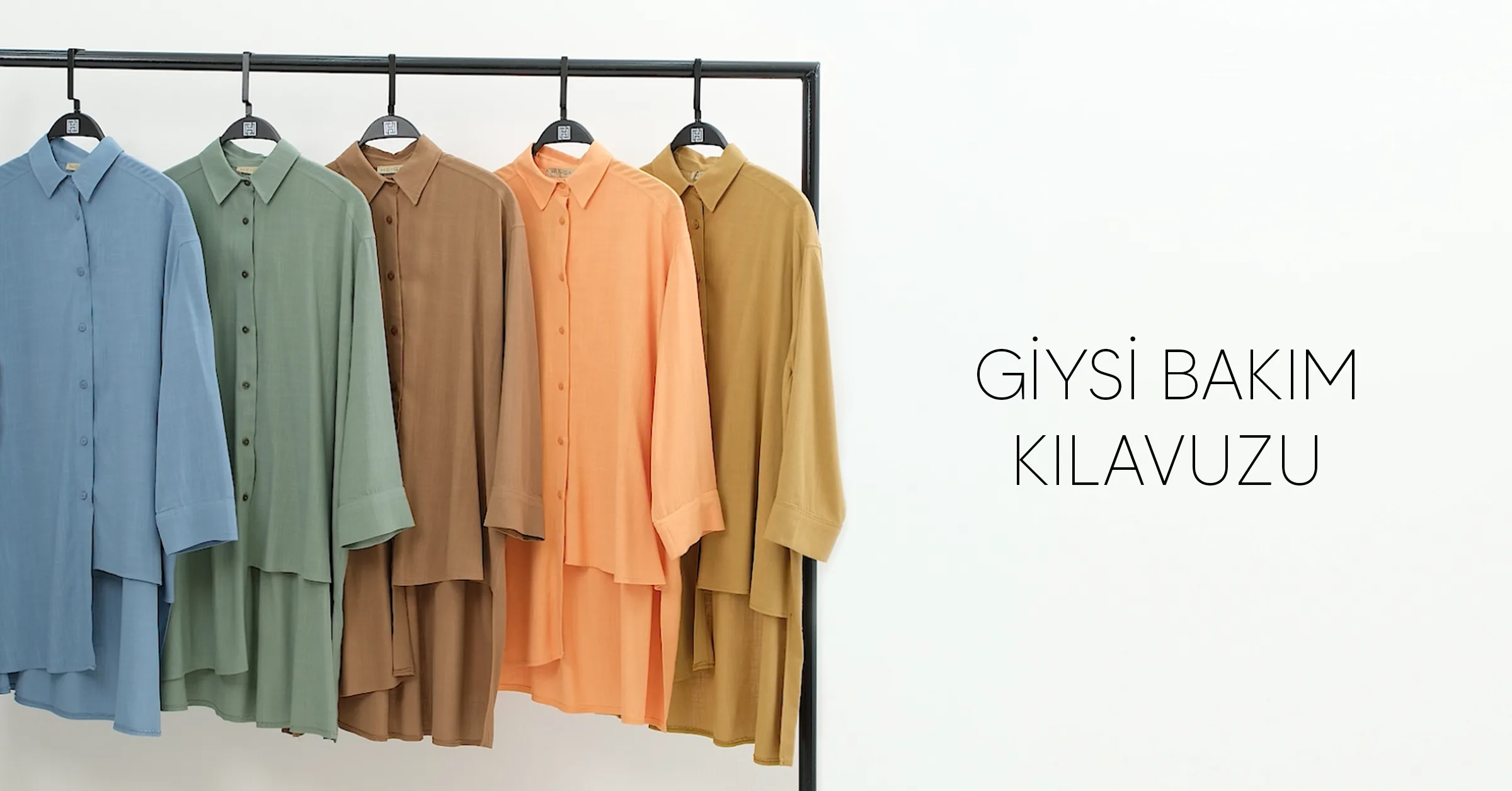
 Protecting your clothes with the right care protects not only your wardrobe but the future too. This guide aims to help you extend the life of your clothes while reducing the environmental impact of caring for them. You can slow down wear and tear and make a big difference with small steps by using less water and energy when washing, drying and caring for your clothes. This way, your clothes last longer and you adopt a more sustainable approach for the planet.
Fill Your Machine and Use Gentle Spin Cycles
Every wash uses water and energy. Filling the machine to full capacity and choosing gentle spin cycles is an effective way to reduce that. Washing at lower temperatures is kinder to your clothes, reduces shrinking and helps colors stay vibrant for longer. It also saves energy, so you extend the life of your clothes and make an eco-friendly choice at the same time.
Hang Your Clothes to Dry
Avoid the energy use of a tumble dryer and let your clothes air-dry on a line or hanger. This extends the life of fabrics, reduces wrinkles, prevents shrinking and limits wear, so you can wear your clothes for longer. 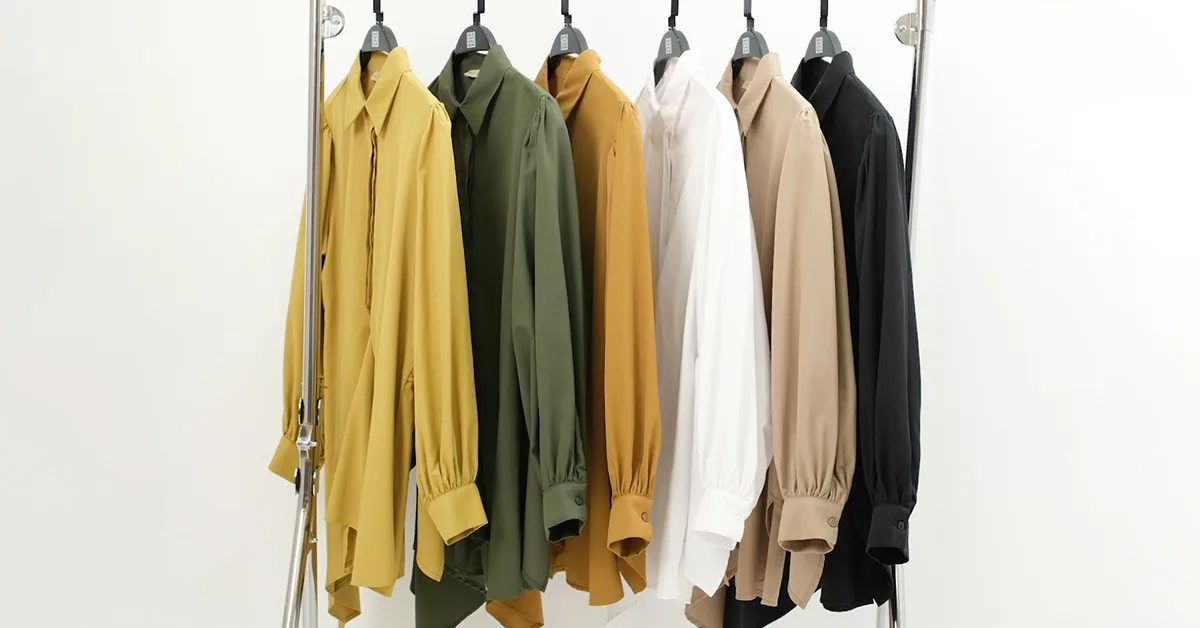
Air Your Clothes Outdoors
Washing doesn’t just use water and energy; it can also gradually wear down fabrics. To keep clothes looking new, sometimes airing them out or giving them a light brush is enough.

Wash Your Clothes Inside Out
Turn your clothes inside out before washing. This simple step reduces wear, helps prevent colors from fading and keeps your clothes looking like new for longer.
Special Care Tips for Knitwear
Take extra care with knitwear. Because of its stretchy structure, it can lose its shape when hung. Dry it flat and store it folded. To keep its original elasticity, hand-wash it or use a delicate cycle. Pilling Pilling refers to the small fuzz balls that often appear on yarns such as wool and cotton. They don’t mean you have to throw a garment away, but they can be annoying. Turning clothes inside out before washing helps reduce pilling, and an electric fabric shaver removes pills easily.
Keep Your Shoes Clean
Cleaning your sneakers regularly helps them last longer and reduces their environmental impact. Clean them by hand with soap and water, and use a small brush for tough stains.
Choose Greener Professional Cleaning
If your clothes need professional cleaning, choose cleaners that use wet-cleaning systems or more environmentally friendly dry-cleaning technologies.
Leather and Accessories
Leather is durable but delicate, so it needs care. Keep leather away from moisture, heat, chemicals and rain, which can damage it. Use a damp cloth for light marks, and take tougher stains to a professional cleaner. If a leather item gets wet, let it dry naturally at room temperature. Clean your other accessories regularly too, using a cotton cloth or a soft brush. Choosing eco-friendly cleaning products protects both your accessories and the environment.
Repair Your Clothes
Extend the life of your clothes with simple repairs at home, such as sewing on buttons, fixing seams or mending small holes. If you can’t do it yourself, ask a tailor for help. 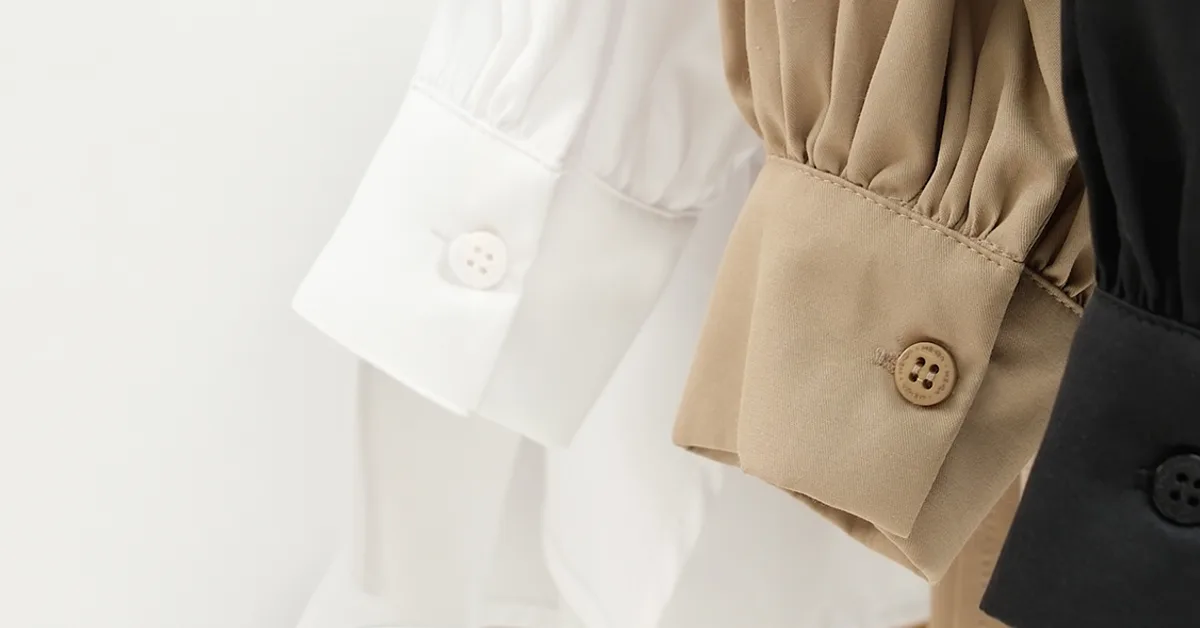
Sell Second-Hand
Give clothes you no longer wear a second life. Selling or passing them on lets them find a new home in someone else’s wardrobe and supports a more sustainable consumption culture.
Recycle Your Clothes
Send clothes you no longer use to textile recycling so their materials can be reused. This reduces waste and helps natural resources be used more efficiently.
Learn the Care Label Symbols
Every garment needs specific washing and cleaning, so always check the symbols on the care label. The most common ones are:
- Washtub with a number (30, 40, 60, 95 °C): the maximum machine-wash temperature. One line under the tub means a gentle (short) cycle; two lines mean a very gentle cycle.
- Washtub with a hand: hand wash only, usually at a maximum of 30 °C.
- Crossed-out washtub: do not wash.
- Triangle: bleach may be used; a crossed-out triangle means do not bleach.
- Square with a circle: tumble drying allowed; one dot means low heat, and a crossed-out symbol means do not tumble dry.
- Square with a horizontal line: dry flat.
- Iron with dots: one dot means max 110 °C, two dots max 150 °C, three dots max 200 °C; a crossed-out iron means do not iron.
- Circle: dry clean only; the letter inside (P, F, W) tells the cleaner which process to use, and a crossed-out circle means do not dry clean.
With this guide, you can take the best possible care of your clothes while helping the planet. Discover long-lasting pieces at www.he-qa.com.