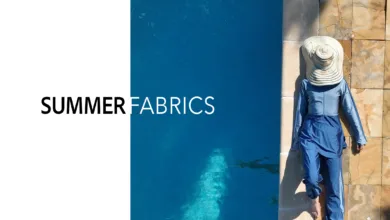
What Is Linen Fabric?
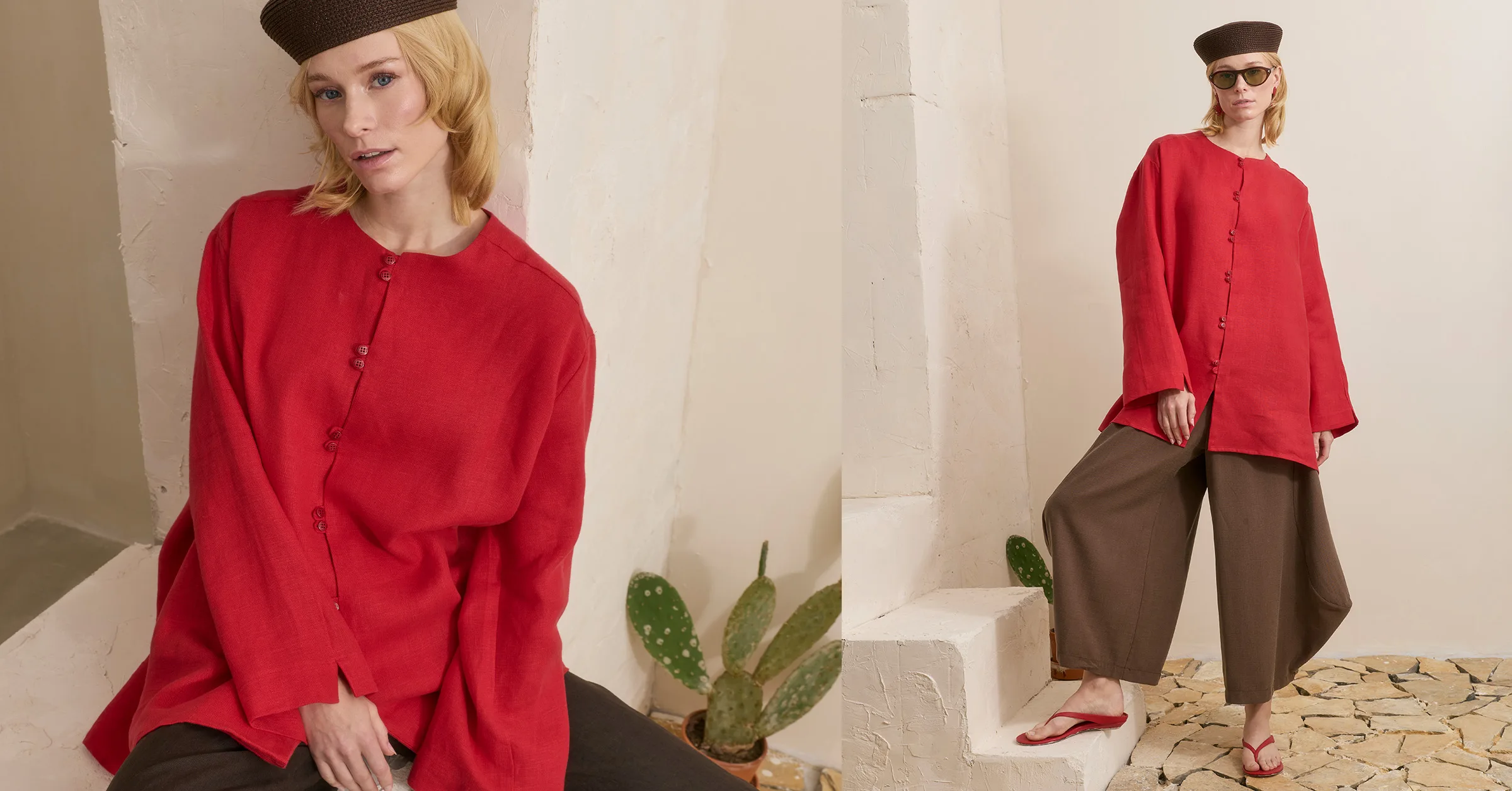
Linen fabric is made from natural fibres obtained from the flax plant. With its lightly textured surface and natural creases, it has a distinctive look, and it becomes softer and more comfortable the more you wear it.
Why Choose Linen Fabric?
Linen’s standout qualities:
- It is light and breathable.
- It feels fresh in hot weather.
- It has a natural, timeless look.
- It is durable and lasts for years.
- It suits both everyday and special outfits.
Why Does Linen Wrinkle?
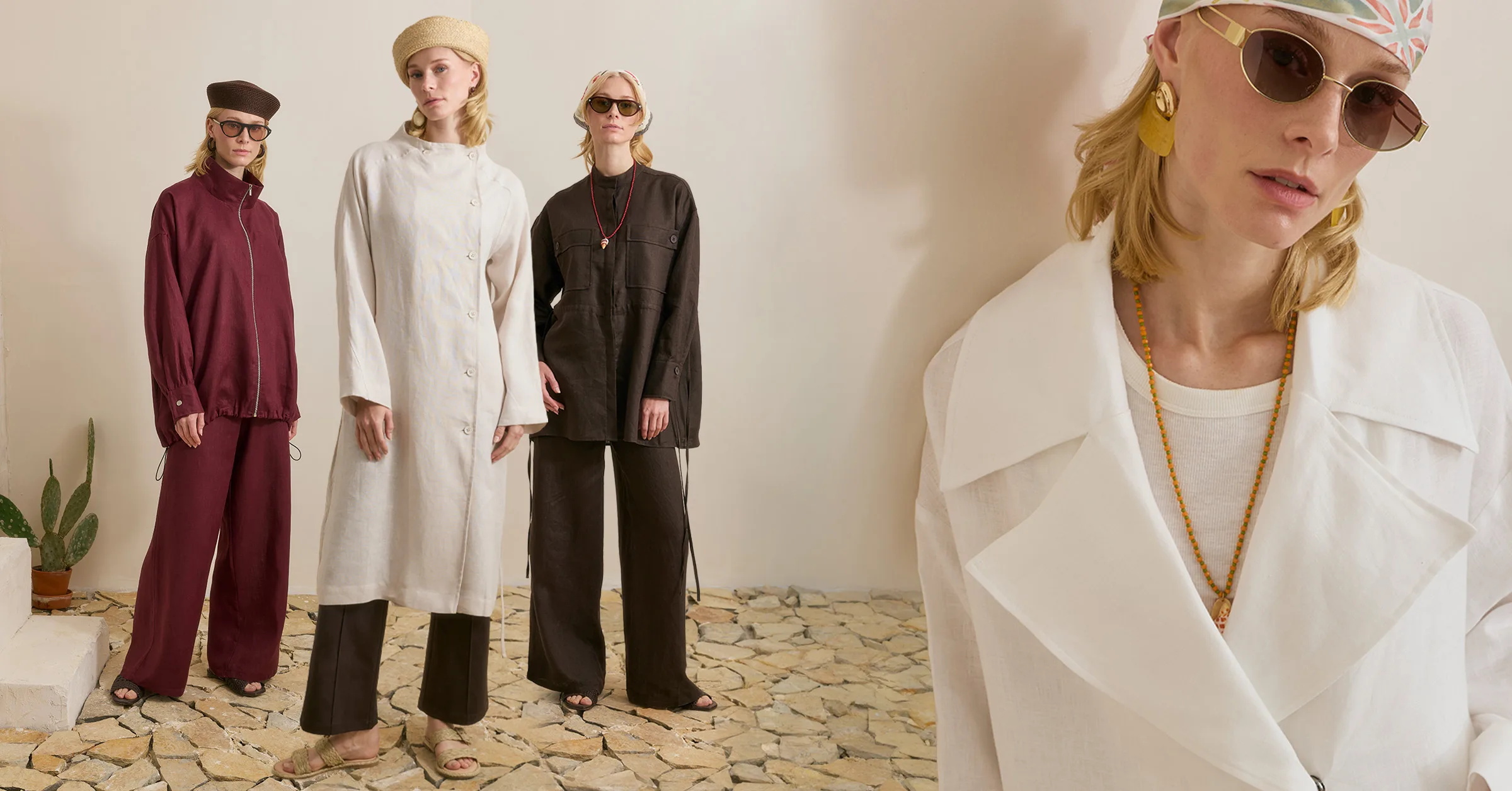
Creasing comes from linen’s natural structure; it is not a sign of poor quality. On the contrary, it is part of linen’s natural, relaxed look. For a smoother finish, iron or steam the garment while it is slightly damp.
How to Wash Linen
Always check the care label before washing. As a general guide:
- Wash at 30°C.
- Choose a delicate or short programme.
- Turn the garment inside out.
- Wash with similar colours.
- Don’t use bleach.
- Avoid high spin speeds.
- Use a detergent suitable for delicates.
Can Linen Go in the Tumble Dryer?
High heat can cause linen to shrink and lose its shape, so unless the care label says otherwise, air-dry it instead. Shake the garment gently after washing and dry it on a hanger or flat surface. Keep coloured linen out of direct sunlight while drying.
How to Iron Linen
Linen is easiest to iron while slightly damp; if it has dried, use a steam iron. Iron dark colours inside out to avoid shine. For a more natural look, use a vertical steamer instead of an iron.
Everyday Care Tips for Linen
- Treat stains quickly.
- Don’t rub the fabric harshly.
- Don’t spray perfume or deodorant directly onto it.
- Never put linen away damp.
- Keep it away from sharp surfaces.
- Follow the care label instructions.
How to Remove Stains from Linen
Dab the stain gently with a clean, damp cloth rather than rubbing. Test any cleaning product on a small hidden area first. For stubborn stains, professional dry cleaning may be the best option.
How to Style Linen Pieces
Thanks to its simple, natural look, linen adapts easily to different styles:
- Pair linen abayas and long coats with plain headscarves.
- Wear linen shirts with wide-leg trousers.
- Create tone-on-tone outfits.
- Add straw bags, sandals or minimal accessories.
- For everyday looks, choose sneakers and a canvas bag.
Linen Fabric: Frequently Asked Questions
Does linen make you sweat in summer?
Linen is light and breathable, so it generally feels fresher in hot weather.
Does linen wrinkle?
Yes. Creasing is one of linen’s natural characteristics and doesn’t mean the fabric is low quality.
At what temperature should linen be washed?
Always follow the care label first, but 30°C on a delicate programme is generally recommended.
Does linen shrink?
It can shrink if washed or dried at high temperatures. Wash at low temperatures and air-dry.
Can linen be ironed?
Yes. It’s easiest to iron while slightly damp or with a steam iron.
Does linen get softer over time?
Yes. With the right care, linen becomes softer the more you wear it.
Is linen see-through?
That depends on the fabric’s thickness, colour and weave density. With light colours, choose underlayers close to your skin tone.
How should linen be stored?
Store it completely dry in a well-ventilated wardrobe. Hang long pieces such as dresses and abayas on wide hangers.
Conclusion
With its natural texture, fresh feel and timeless look, linen fabric is a hot-weather essential. Washing at low temperatures, air-drying and ironing correctly help your linen pieces keep their shape and look for years. Discover linen pieces in The Soft Interval collection.